How Often Should You Replace Your Shower Head PP Cartridge Filter?
Maintaining clean and refreshing water in your daily shower routine is essential for both health and comfort. A key component in achieving this is the PP (polypropylene) cartridge filter integrated into many modern shower heads. These filters play a vital role by trapping impurities such as sediment, chlorine, and heavy metals, ensuring that the water flowing over your skin is safer and more pleasant. However, like all filtration systems, PP filters have a limited lifespan and require periodic replacement to function effectively. Understanding how often to change your shower head PP filter cartridge is crucial to avoid diminished performance, potential health risks, and even damage to your showering experience. This guide delves into the factors influencing replacement frequency, signs indicating it’s time for a change, and best practices for maintaining optimal shower water quality.
Understanding PP Cartridge Filters in Shower Heads
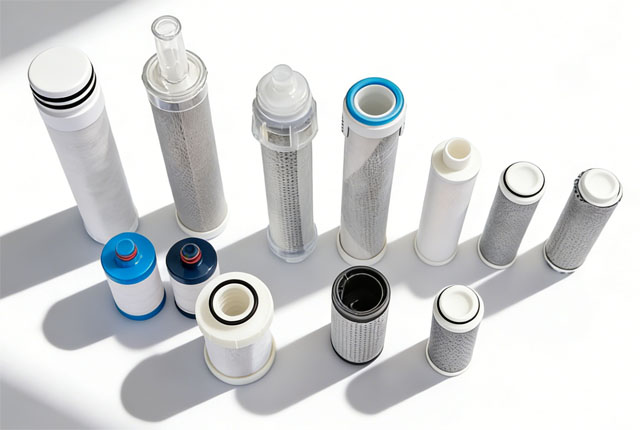
PP cartridge filters are a common type of filtration media used in shower heads, designed to enhance water purity by physically blocking contaminants. The term “PP” stands for polypropylene, a durable and non-toxic material that forms the filter’s core structure. These filters typically feature a pleated or woven design, which maximizes surface area to capture particles like rust, sand, and organic matter while allowing water to flow smoothly. The filtration process is primarily mechanical, meaning it physically traps impurities rather than chemically altering them. This makes PP filters effective for improving water clarity and reducing exposure to potentially harmful substances, such as chlorine and heavy metals, which can dry out skin and hair. By integrating a PP cartridge, shower heads transform ordinary tap water into a cleaner, more skin-friendly resource, contributing to a healthier bathing environment.
Recommended Replacement Frequency
The general guideline for replacing a PP cartridge filter in a shower head is every 4 to 6 months under normal conditions. This timeframe balances optimal filtration efficiency with practical usage, ensuring consistent water quality without unnecessary waste. However, this interval can vary based on several factors. Water quality plays a significant role—if your local supply has high levels of sediment or chlorine, the filter may clog faster, necessitating more frequent changes. Household size also matters; larger families with higher water consumption will naturally wear out the filter sooner. Additionally, water pressure can influence the filter’s lifespan, as higher pressure may accelerate the accumulation of trapped particles. For instance, in areas with hard water or frequent supply disruptions, checking the filter every 3 months might be advisable. Conversely, in regions with exceptionally clean water and light usage, extending the interval to 6 months could suffice. Regular monitoring is key, as these factors interact uniquely in each home.
Signs That Indicate It’s Time to Replace Your Filter
Recognizing when your PP filter needs replacement is critical to maintaining shower water quality. One clear indicator is reduced water pressure—if your showerhead suddenly delivers a weaker flow than usual, it often signals a clogged filter struggling to allow water passage. Another telltale sign is a change in water taste or smell; if your shower water starts tasting metallic or smelling musty, the filter may have exceeded its capacity to remove impurities effectively. Visual cues are also helpful—most filters have a transparent housing or indicator light (if equipped) that shows discoloration or buildup inside the cartridge. For example, a filter that once appeared clean but now looks brownish or gritty should be replaced promptly. Ignoring these signs can lead to diminished filtration performance, exposing you to more contaminants and potentially causing skin irritation or hair damage over time.
Step-by-Step Guide to Replacing Your PP Cartridge Filter
Replacing a PP cartridge filter in your shower head is a straightforward process that requires minimal tools and time. Here’s a detailed guide to ensure smooth installation:
- Turn Off Water Supply: Start by shutting off the water to your shower to prevent leaks during replacement. This can usually be done at the main valve or a dedicated shower shut-off valve.
- Remove the Old Filter: Unscrew the shower head from its hose or mount, depending on your model. Most filters are housed in a cartridge compartment accessible by twisting or pulling off the shower head’s front cover. Carefully extract the old PP cartridge, noting its orientation for reference.
- Prepare the New Filter: Before installation, rinse the new PP cartridge under cold water for a few seconds to remove any loose particles from manufacturing. This step ensures immediate filtration effectiveness.
- Install the New Filter: Insert the new cartridge into the housing, aligning it correctly as per the old filter’s position. Secure it by twisting the cover back into place or snapping it shut, depending on your shower head design.
- Reattach the Shower Head: Screw the shower head back onto the hose or mount, ensuring a tight seal to prevent leaks.
- Turn On Water and Test: Gradually restore the water supply and run the shower for a minute to flush out any air or debris. Check for leaks around the filter housing and ensure water pressure returns to normal.
For added convenience, consider using a universal G1/2 thread shower head model, which simplifies DIY installation without professional assistance. Always refer to your product’s manual for specific instructions, as designs may vary slightly between brands.
Benefits of Regular Filter Replacement
Adhering to a consistent replacement schedule for your PP cartridge filter offers numerous advantages. Most importantly, it ensures continuous protection against contaminants like chlorine, sediment, and heavy metals, which can dry out skin and hair or cause irritation. Regular changes also maintain optimal water pressure, preventing the frustrating experience of weak showers due to clogged filters. Over time, this practice enhances overall showering comfort by delivering cleaner, more refreshing water that feels gentler on the body. Additionally, prolonging the life of your shower head and its components is a key benefit—a well-maintained filter reduces strain on the system, minimizing the risk of leaks or damage that could lead to costly repairs. By prioritizing timely replacements, you invest in long-term health and appliance durability, making each shower a safer and more enjoyable experience.
Common Mistakes to Avoid
When managing your PP cartridge filter, certain pitfalls can undermine its effectiveness. One frequent error is delaying replacement beyond the recommended interval—waiting until water pressure drops significantly or taste issues arise risks prolonged exposure to contaminants. Another mistake is using non-genuine or incompatible filters; third-party options may not fit properly or filter efficiently, leading to leaks or poor performance. Additionally, neglecting to rinse new filters before installation can leave initial debris in the water stream, reducing immediate filtration quality. To avoid these issues, always follow the manufacturer’s guidelines for replacement timing, choose authentic filters designed for your shower head model, and perform a quick pre-installation rinse. These simple steps ensure your filter operates at peak efficiency, safeguarding your shower water’s purity and your overall bathing experience.
Additional Tips for Maintaining Shower Water Quality
Beyond regular filter replacements, several practices can enhance your shower water quality. First, consider installing a whole-house water filtration system if your local supply has high impurity levels—this reduces the burden on your shower head filter. Second, periodically clean the shower head itself by soaking it in vinegar to remove mineral buildup, which can complement the PP cartridge’s work. Third, monitor water pressure fluctuations, as sudden drops may indicate a clogged filter or other issues. For families with sensitive skin or hair, using a shower head with added vitamin C or mineral filters can provide extra benefits. Lastly, stay informed about your local water quality reports to anticipate potential contaminants and adjust maintenance accordingly. These proactive measures ensure your shower remains a refreshing and health-conscious daily ritual.