The Science Behind Shower PP Melt-Blown Filters: How They Improve Water Quality in Your Home
Clean water is essential not only for drinking but also for our daily hygiene routines, such as showering. While many homeowners focus on filtering drinking water, the quality of water in the shower is often overlooked. Contaminants, sediments, and impurities in shower water can have adverse effects on skin and hair health, and in some cases, contribute to respiratory issues. Enter the shower PP melt-blown filter—a technology that’s gaining traction for its ability to improve water quality right at the point of use, in your shower.
This article dives into the science behind shower PP melt-blown filters, explaining how they work, their benefits, and why they should be an integral part of your home water filtration system.
Understanding the Basics: What Is a Shower PP Melt-Blown Filter?
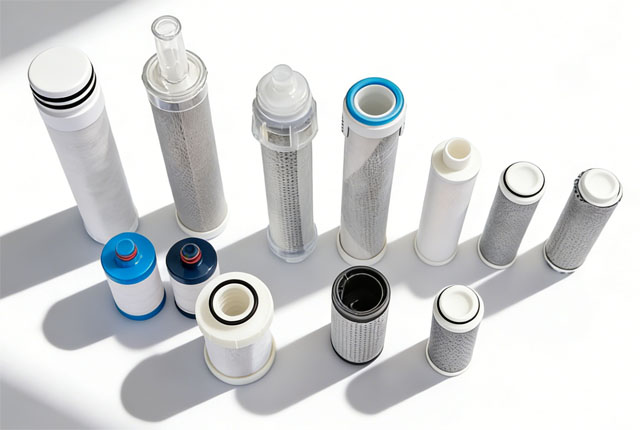
A shower PP melt-blown filter is a type of sediment filter specially designed for shower systems. It uses a polypropylene (PP) melt-blown membrane to capture particles and impurities from water before they reach your skin and hair.
The term “melt-blown” refers to a manufacturing process where fine fibers of polypropylene are extruded and blown onto a moving conveyor, creating a dense, fibrous web. This web forms the filtration medium that traps sediments, rust, sand, and other suspended particles in water.
Unlike traditional cartridge filters, melt-blown filters offer a gradient density structure, meaning the filter is denser on the outside and gradually less dense toward the inside. This design ensures efficient particle capture without clogging quickly, maintaining good water flow.
The Science Behind Melt-Blown Technology
Polypropylene melt-blown filters rely on mechanical filtration rather than chemical processes. The science is straightforward but effective:
- Fiber diameter and pore size: During the melt-blown process, polypropylene fibers are created with extremely fine diameters, often in the range of 1 to 5 microns. These tiny fibers create a labyrinthine structure that traps particles larger than the filter’s pore size.
- Depth filtration: Unlike surface filtration, which traps particles only on the surface, melt-blown filters capture contaminants throughout the depth of the filter bed. Particles are progressively trapped as water flows deeper into the filter, increasing filter capacity and lifespan.
- Gradient density: The filter’s density gradient means larger particles are captured near the outer surface, while smaller particles are trapped deeper inside. This prevents rapid clogging and ensures consistent filtration quality.
The result is a highly efficient sediment removal system that protects downstream components of your shower system and improves overall water quality.
Why Is Sediment Removal Important for Shower Water?
Sediments in water can include sand, rust, silt, and other particulate matter picked up from old pipes, municipal water supplies, or natural water sources. Although these sediments might not always pose a direct health risk, they can cause several issues:
- Skin irritation and dryness: Sediment particles, especially rust and dirt, can irritate sensitive skin, leading to dryness, itchiness, or exacerbation of skin conditions like eczema.
- Hair damage: Sediments clog hair follicles and coat hair strands, making hair dull, brittle, and difficult to manage.
- Clogged showerheads: Sediment buildup inside showerheads reduces water flow, causing uneven spray patterns and frustrating shower experiences.
- Premature wear of plumbing fixtures: Sediments can abrade valves, seals, and cartridges, leading to costly repairs or replacements.
A shower PP melt-blown filter effectively addresses these problems by filtering out sediments before they cause damage.
How Does a Shower PP Melt-Blown Filter Improve Overall Water Quality?
Beyond sediment removal, these filters contribute to better water quality in several ways:
1. Enhanced Clarity and Cleanliness
By removing visible particles, melt-blown filters make shower water clearer, which feels cleaner on the skin and hair.
2. Improved Water Flow and Pressure
Because these filters prevent sediment buildup in showerheads and valves, water flow remains strong and steady, enhancing the shower experience.
3. Prolonged Lifespan of Shower Components
Protecting valves and cartridges from abrasive particles extends the durability of your shower system, saving on maintenance costs.
4. Reduced Risk of Skin and Eye Irritation
Cleaner water reduces contact with irritants, helping individuals with sensitive skin or allergies enjoy a gentler shower.
Integrating PP Melt-Blown Filters Into Your Home Shower System
Installing a shower PP melt-blown filter is relatively simple and can be done in several ways:
- Inline Shower Filters: These connect directly to your existing shower arm, filtering water right before it reaches the showerhead.
- Filter Cartridges in Showerheads: Some premium showerheads come with built-in melt-blown filter cartridges, combining filtration with innovative spray technology.
- Whole-House Pre-Filtration: For those looking to protect all water outlets, a melt-blown sediment filter can be installed at the main water entry point, filtering water before it reaches your shower and other fixtures.
Maintenance Tips for Shower PP Melt-Blown Filters
To ensure your filter continues working optimally, regular maintenance is key:
- Replacement Schedule: Most melt-blown filters should be replaced every 3 to 6 months, depending on water quality and usage.
- Visual Inspection: Check for discoloration or clogging in the filter cartridge, which signals it’s time for a replacement.
- Flushing: Some filters allow backflushing to extend lifespan, but always follow manufacturer instructions.
Proper maintenance not only ensures high filtration performance but also protects the longevity of your shower system.
Comparing PP Melt-Blown Filters with Other Shower Filter Technologies
| Filter Type | Filtration Method | Removes Sediment | Removes Chlorine | Maintenance | Cost |
|---|---|---|---|---|---|
| PP Melt-Blown | Mechanical, depth filtration | Yes | No | Moderate | Affordable |
| Activated Carbon | Adsorption | Minimal | Yes | Moderate | Moderate |
| KDF (Kinetic Degradation Flux) | Chemical reaction | Minimal | Yes | Moderate | Higher |
| Ceramic Filters | Mechanical | Yes | No | High | Expensive |
PP melt-blown filters excel in sediment removal and affordability, making them ideal as a pre-filter or standalone sediment filter in shower systems.
The Science of Polypropylene: Why PP Is Ideal for Melt-Blown Filters
Polypropylene is a thermoplastic polymer known for its chemical resistance, durability, and low cost. These properties make it perfect for water filtration:
- Chemical Stability: PP does not react with chlorine or other common water disinfectants, ensuring that the filter material remains intact during operation.
- Thermal Resistance: It withstands the temperatures typical in household showers without deforming or releasing harmful compounds.
- Non-Toxicity: Polypropylene is safe for contact with drinking water and does not leach harmful substances.
The melt-blown process leverages PP’s properties to create a fine fibrous structure that effectively traps particles while maintaining high flow rates.
Environmental Considerations: Are PP Melt-Blown Filters Eco-Friendly?
While polypropylene is a type of plastic, melt-blown filters are designed to be efficient and long-lasting, reducing frequent replacements and waste. Additionally, many manufacturers are moving towards recyclable or biodegradable filter components.
For environmentally conscious consumers, choosing filters with recyclable housing and responsible disposal practices can minimize ecological impact. Moreover, by preventing sediment buildup and prolonging the life of shower fixtures, these filters indirectly reduce the need for replacements and associated waste.
Common Misconceptions About Shower Filters and Melt-Blown Technology
- “All shower filters remove chlorine.”
Many shoppers expect any shower filter to remove chlorine, but PP melt-blown filters specifically target sediments. For chlorine removal, activated carbon or KDF filters are necessary. - “Filter lifespan is the same for all filters.”
Filter life varies widely. Melt-blown filters last longer than many sediment filters because of their depth filtration and gradient density design. - “Installing a filter will reduce water pressure.”
High-quality melt-blown filters are engineered for minimal pressure drop. Poorly designed filters or clogged cartridges cause pressure loss, highlighting the importance of maintenance.
How to Choose the Best Shower PP Melt-Blown Filter for Your Home
When shopping for a shower PP melt-blown filter, consider:
- Micron rating: Smaller micron ratings (e.g., 1-5 microns) offer finer filtration but may clog faster.
- Flow rate: Ensure the filter supports your household water pressure and shower flow preferences.
- Compatibility: Check if the filter fits your existing shower arm or showerhead.
- Maintenance ease: Filters with easy cartridge replacement or backflushing save time and effort.
- Certification: Look for NSF or other third-party certifications to guarantee performance and safety.
Conclusion
Shower PP melt-blown filters represent a scientifically sound, practical, and cost-effective solution to improve water quality in your home’s shower. By efficiently removing sediments and protecting your skin, hair, and plumbing fixtures, these filters enhance your daily hygiene routine while safeguarding your investment in your home.
Understanding the science behind melt-blown technology empowers homeowners to make informed decisions about their water filtration systems. Whether you want to reduce sediment buildup, improve water clarity, or simply enjoy a cleaner shower experience, investing in a quality PP melt-blown shower filter is a smart choice with lasting benefits.