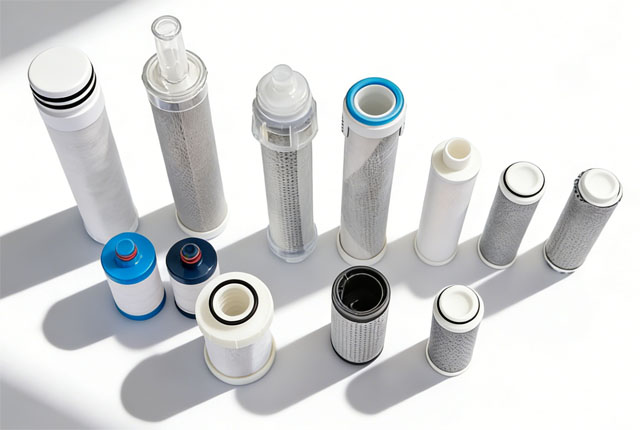
The Definitive Guide to Pleated Polypropylene Filter Cartridges: Efficiency, Applications, and Selection
In industries like pharmaceuticals, food processing, and electronics, clean fluids keep operations smooth. Contaminants can ruin products or damage equipment. Standard spun cartridges often fall short in tough jobs. They clog fast and limit flow. Pleated polypropylene filter cartridges change that. They offer more surface area and steady performance. This guide covers the tech behind them, their benefits, and how to pick the right one. You’ll learn why these filters boost efficiency and cut costs.
Understanding Pleated Polypropylene Filter Cartridge Technology
Pleated polypropylene filter cartridges stand out from basic melt-blown types. The pleats create folds in the media. This design packs more material into the same space. Flow rates rise, and the filter holds more dirt before it needs a swap.
Media Construction and Material Science
Polypropylene comes from simple plastic resins. It’s tough against chemicals and heat. The media is often non-woven, with fibers bonded together. This makes it strong yet porous. In pleated forms, the media folds neatly. It resists acids and bases well. Heat up to 200°F works fine for most uses. That’s key for hot water or steam lines.
The Advantage of Increased Surface Area
Pleating boosts the filter’s effective area by two to four times. A standard 10-inch cartridge might have 5 square feet. A pleated one can hit 20 square feet or more. This spreads out the load from particles. The filter lasts longer and drops pressure less. Efficiency ratings matter here. Absolute ratings mean 99.9% removal at a set micron size. Nominal ones catch most but not all. Pleats make both work better in real flows.
Core Design and End Cap Configurations
A strong plastic cage wraps the outside. It keeps the pleats from sagging under pressure. Inside, a perforated core lets fluid pass through evenly. End caps seal the deal. DOE styles fit open housings with flat ends. SOE 222 or 226 have fins for secure lock-in. Pick based on your system’s setup. This prevents leaks and ensures even flow.
Key Performance Benefits in Industrial Filtration
These cartridges shine in real-world tests. They cut downtime and save money. Buyers love the clear gains in cost and rules compliance.
Superior Dirt-Holding Capacity (DHC) and Extended Service Life
Dirt-holding capacity measures how much junk a filter traps. Pleats spread it out, so the media blinds slower. Think of it like a net with more strings. Particles stick across the whole surface, not just the front. This means fewer changes—maybe every six months instead of monthly. Lower OPEX adds up fast. In one plant, swaps dropped 40%, saving thousands yearly.
Low Initial Pressure Drop and High Flow Rates
High surface area means open paths for fluid. Porosity stays even, so pumps work less hard. Pressure drop starts low, often under 1 psi at full flow. This saves energy—key when running big systems. For 100 GPM, a pleated filter might use 20% less power than a spun one. Fluid moves smooth without backups.
Broad Chemical Compatibility and Thermal Resistance
Polypropylene handles pH from 1 to 14. It shrugs off solvents like alcohols and oils. No reactions with most cleaners either. Temps from 40°F to 200°F suit hot fills or cold rinses. In steam processes, it holds up without melting. This versatility fits many plants. Always check your fluid’s sheet for matches.
Diverse Applications Across Critical Industries
Pleated polypropylene filters fit key sectors. They guard quality and meet strict standards. Here’s where they make a big difference.
Pharmaceutical and Biotech Processing
In pharma, purity rules all. These filters meet USP and FDA needs. Low extractables mean no added junk in drugs. Use them for pre-filtration before sterile membranes. They catch bacteria before water for injection (WFI). In one biotech line, they extended runs by 50%. Validation is easy with consistent media.
Food, Beverage, and Municipal Water Treatment
Clarify juices without haze. Polish beer or wine for clear pours. Filters block pulp or yeast early. NSF and FDA approvals make them safe for edibles. In water plants, they pre-filter intake to shield RO units. A city system cut membrane cleans by 30% with these. Flow stays high even with silt loads.
Petrochemical and Semiconductor Manufacturing
Protect coatings from grit in oil lines. Filter coolants in chip fabs—aggressive stuff like acids. High purity keeps yields up. In semis, 0.2-micron pleats snag tiny particles. No metal shedding either, thanks to all-plastic build. One fab saw defect rates drop 25% after switching.
Selecting the Optimal Pleated Polypropylene Cartridge
Pick wrong, and you’ll face clogs or leaks. Engineers need clear steps. Focus on your fluid and system to match right.
Determining Absolute vs. Nominal Filtration Efficiency
Absolute efficiency blocks 99.9% of particles at a micron level. Nominal catches 80-90%. Use absolute for final product steps, like sterile fills. Nominal works for rough pre-filters. In paints, absolute at 1 micron ensures no specks. Test your needs—don’t overspend on tight ratings early.
Micron Rating Selection Based on Fluid Viscosity and Contaminant Load
Match microns to your setup. Thick fluids like oils need looser ratings, say 10 microns. Thin water can take 1 micron. High dirt? Start coarse. Use a 50-micron pleated pre-filter, then 5-micron polish. This stages capture. Viscosity charts help—low ones allow finer pores without slow flow.
Sizing for Flow Rate and Housing Compatibility (Length and Diameter)
Figure area from flow needs. Aim for 0.5 GPM per square foot max. For 50 GPM, get 100 square feet total—maybe four 20-inch cartridges. Lengths run 10, 20, or 40 inches. Diameters are 2.5 or 4.5 inches standard. Check housing ports. Big diameters fit multi-cartridge units for high volumes. A quick calc: flow divided by media area gives velocity—keep under 0.2 ft/min.
Conclusion: Maximizing Operational Uptime with Precision Filtration
Pleated polypropylene filter cartridges deliver big wins. Their extra surface area extends life and cuts pressure drops. Energy savings and compatibility add value across jobs.
Invest in the right spec for your process. It guards reliability and product quality. You’ll see uptime rise and costs fall. Ready to upgrade? Check your system specs and test a batch. Your operations will thank you.