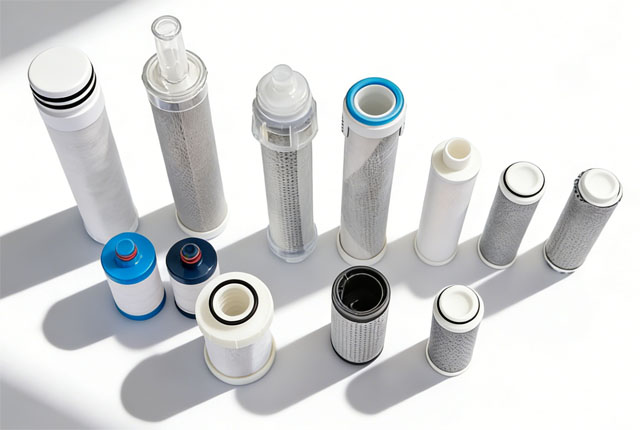
Mastering Filtration Efficiency: The Definitive Guide to Pleated Surface PP Filter Series
In busy factories and clean labs, clean fluids keep things running smooth. Dirty water or air can ruin products or machines fast. That’s where pleated surface PP filter series steps in. These filters use tough polypropylene to trap junk without breaking down. They beat out flat filters by folding the material into pleats. This boosts the space for catching dirt, so they last longer and cost less over time.
Polypropylene, or PP, shines in tough spots. It handles acids and bases without harm. Plus, it stays strong in heat and doesn’t shed bits into your flow. Pleated surface PP filter series takes this material and pleats it smart. That means more filter area in the same size housing. You get better flow and less clogging. Let’s break down how these filters work and why they fit so many jobs.
Understanding Pleated PP Filter Construction and Technology
Material Science: Why Polypropylene Dominates
Polypropylene starts as a simple plastic, but it packs a punch in filters. It resists chemicals like strong cleaners or oils. This makes it safe for harsh mixes where other stuff might melt or leak.
Take cellulose filters. They soak up water fine, but acids eat them quick. Glass fiber holds heat well, yet it costs more and can break apart. PP wins in chemical plants because it stays put. No fibers float off to block valves down the line.
You see PP in pleated surface PP filter series for its low cost too. It molds easy and recycles well. Factories love that balance of strength and price.
The Engineering Advantage of Pleating Geometry
Pleating folds the filter media like an accordion. This packs way more surface into a short cartridge. A standard 10-inch filter might have 5 square feet flat. Pleated, it jumps to 20 feet or more.
Depth matters here. Shallow pleats pack tight but clog faster. Deeper ones let dirt spread out. Most pleated surface PP filter series use 1/2-inch depth for good balance.
Check specs when you shop. Micron rating tells particle size trapped, like 5 microns for fine silt. Surface area multiplier shows how pleats amp up capacity. Pick based on your flow needs—bigger area means less pressure buildup.
- Tip: For high dirt loads, go for 30-inch lengths. They hold twice the junk of short ones.
This design cuts changeouts in half. You save time and cash.
Key Manufacturing Processes for Pleated Media
Makers start with PP fibers. They spin them into sheets via melt-blown or spun-bond methods. Melt-blown creates tiny pores for fine capture. Spun-bond adds strength for big flows.
Then comes pleating. Machines fold the sheet precise, with glue or heat seals to hold shape. Quality checks pore sizes after. Uniform holes mean even filtering, no weak spots.
Control dust and heat in the plant too. That keeps media clean from the start. Top brands test each batch to hit micron goals. This ensures your pleated surface PP filter series performs steady.
Performance Metrics and Filtration Efficiency Ratings
Absolute vs. Nominal Filtration Ratings in PP Filters
Absolute ratings mean the filter grabs 99.9% of particles at a set size. Say, 1 micron absolute stops almost all bacteria. Nominal is looser, like 90% at that size. It’s okay for rough jobs but not sterile ones.
Buyers mix them up. Absolute suits pharma where every germ counts. Nominal works for pre-filters to save money upstream. Pleated surface PP filter series often lists both for choice.
Standards like ISO 16889 test this. They run dirty oil through and count what’s left. Look for certified ratings to trust claims. Data shows absolute PP pleats hold efficiency longer than flats.
Dirt Holding Capacity (DHC) and Service Life Optimization
More surface equals more room for dirt. A pleated cartridge traps 50% more gunk than a wound one of same size. Think of it like a sponge versus a flat cloth—pleats soak up extra.
In practice, this stretches run time. A 10-micron pleated PP might last 500 gallons before swap. Flat types tap out at 300. That cuts labor by a third.
Optimize by matching load to rating. Heavy silt? Use coarser micron first. Track pressure rise to know when to change. Real tests show pleated surface PP filter series boosts DHC by 40-60% in water plants.
- Ways to extend life:
- Pre-filter rough bits.
- Keep flow under max.
- Clean housings regular.
Measuring Initial and Final Pressure Drop
Pressure drop, or delta P, gauges resistance. Low at start means easy flow. It climbs as dirt builds, signaling change time.
Pleat density affects this. Too tight, and start pressure spikes. Loose lets flow but drops efficiency. Aim for 2-5 psi initial in most setups.
Core size and ends play in. Wide cores cut turbulence inside. For high flow, pick 222 O-ring caps—they seal tight without extra drag.
- Tip: Torque O-rings to 20 inch-pounds. Too loose leaks; too tight cracks.
Watch final delta P at 20-30 psi max. Beyond that, filters blind fast. Tools like gauges help monitor in real time.
Diverse Applications Across Key Industries
Pharmaceutical and Biotech Processing
Pharma needs spotless fluids for drugs and vaccines. Pleated surface PP filter series fits with its clean PP media. It won’t add contaminants or react with buffers.
Steam-in-place, or SIP, cleans these filters hot. PP takes 250°F without warp. GMP rules demand this for sterile lines. Use them pre-RO to guard membranes from scale.
In buffer tanks, they polish solutions clear. One plant cut bacteria counts by 99.99% with 0.2 micron pleats. That saved batches from recall. Flow stays high, so production hums.
Water Treatment and Municipal Applications
Clean water starts with solid pre-filters. Large pleated PP cartridges handle big volumes in bag filters or housings. They clarify river water or wells full of sediment.
Municipal plants use 20-inch giants for effluent polish. PP resists chlorine and salts long term. It traps organics before final UV steps.
In one city setup, pleated surface PP filter series dropped turbidity from 10 to 0.5 NTU. Service stretched to 6 months. Costs fell 25% versus glass media swaps.
- Benefits in water:
- High flow for pumps.
- Easy install in multi-stage.
- Low waste on disposal.
Chemical and Petrochemical Environments
Chemicals eat filters quick. PP stands up to solvents, acids, and bases up to pH 14. Pleated surface PP filter series guards pumps and catalysts from grit.
In refineries, they pre-filter fuels before membranes. This stops fouling and extends module life. Heat tolerance hits 180°F steady.
A petrochemical firm swapped to pleats and saw 35% less downtime. Dirt loads dropped, so downstream stayed clean. It’s a smart pick for corrosive flows.
Selection Criteria and Troubleshooting for Pleated PP Filters
Matching Filter Specifications to Fluid Characteristics
Start with micron needs. Fine particles? Go 1-5 microns. Coarse sand? 20-50 works.
Next, check chemistry. PP handles -20°F to 200°F and most pH. Test your fluid’s temp and mix against charts.
Then size for flow. Calculate area: gallons per minute divided by velocity limit, often 0.5 gpm per sq ft. Bigger pleats handle more.
Experts say match velocity to avoid channeling. Flow too fast, and dirt slips through. Use online calcs for quick picks.
- List particle sizes in your stream.
- Verify PP compatibility.
- Scale cartridge count for total flow.
This gets you the right pleated surface PP filter series fit.
End-Cap Configuration and Compatibility (Adaptors)
Ends seal the deal. DOE style slips into any housing easy. 222 with fins locks tight for vibes.
Code 7 tri-clamps suit sanitary lines. Wrong fit? Fluid bypasses, ruining clean-up.
Pick based on your vessel. Plastic caps for chem resist; metal for steam.
- Tip: Lube O-rings with silicone, not oil. Torque even to dodge leaks under 50 psi.
Match right, and pressure holds steady.
Diagnosing Premature Filter Failure
Sudden pressure jumps? Check flow rate first. Over max velocity packs dirt uneven.
Breakthrough shows in cloudy output. Often from wrong micron or temp exceed.
Other signs: housing leaks or old media tears. Log changes to spot patterns.
Fix by auditing setup. Clean pre-filters help. If heat’s the culprit, cool fluids first. Most fails tie to ops slips, not bad filters.
Conclusion: Maximizing ROI with Optimized Pleated Filtration Solutions
Pleated surface PP filter series nails the mix of tough build, big capacity, and clean performance. From pharma sterile runs to water clarifiers, they handle diverse loads with ease. The pleat boost in area cuts swaps and costs, stretching every dollar.
You gain longer runs and less waste. Pick right specs, and ROI soars—think 30-50% savings on lifecycle. For your next setup, test a pleated PP trial. See the difference in flow and peace of mind. Ready to upgrade? Check suppliers for custom fits today.